.png?width=185&height=175&name=WGI%20Icon_Green%20(1).png)














Environmentally challenged or “risky” sites continue to represent a significant source of untapped opportunity in today’s commercial real estate market. Former industrial properties, underutilized commercial corridors, infill parcels, and legacy sites are often bypassed, not because they lack development potential, but because environmental uncertainty introduces hesitation, and often institutional aversion, among developers, lenders, and investors.
In many transactions, environmental due diligence is treated as a compliance requirement, a check box on a loan application, rather than a strategic input. Reports identify potential liabilities, but those findings are rarely translated into an actionable development or financial strategy for site acquisition. When environmental risk is evaluated in isolation from land use, capital structure, and redevelopment plans, even manageable conditions can derail otherwise viable deals.
Strategic Environmental Due Diligence (SEDD) reframes this approach. Instead of asking whether a site is too risky, SEDD focuses on how environmental risk can be understood, managed, and integrated into the broader development strategy. By aligning environmental evaluation with intended use, regulatory pathways, and investment objectives, SEDD converts uncertainty into strategy and strategy into confidence.
This whitepaper outlines a practical SEDD framework designed for developers navigating complex sites and competitive markets. It demonstrates how EPA guidance, risk-based corrective action strategies, and early planning can reduce surprises, improve deal certainty, and unlock value in properties others avoid. It also highlights how WGI helps developers move from risk avoidance toward strategic risk management that supports stronger returns on investment and successful redevelopment outcomes.


 A key objective of this pillar is preserving flexibility. By establishing compliance with All Appropriate Inquiries early in the process, developers maintain eligibility for critical liability protections while keeping deal options open. Understanding the nature and extent of contamination, as well as its pathways and receptors, allows development teams to assess whether risks can be managed through design, engineering, or phased remediation rather than avoided altogether.
Within this pillar, developers focus on:
A key objective of this pillar is preserving flexibility. By establishing compliance with All Appropriate Inquiries early in the process, developers maintain eligibility for critical liability protections while keeping deal options open. Understanding the nature and extent of contamination, as well as its pathways and receptors, allows development teams to assess whether risks can be managed through design, engineering, or phased remediation rather than avoided altogether.
Within this pillar, developers focus on:
 For example, a site intended for industrial or logistics use may require a fundamentally different environmental approach than one planned for residential, commercial, or mixed-use redevelopment. Strategic alignment allows
developers to tailor remediation, controls, and monitoring to what is actually necessary to support safe and successful use, while avoiding unnecessary overcorrection.
Key considerations within this pillar include:
For example, a site intended for industrial or logistics use may require a fundamentally different environmental approach than one planned for residential, commercial, or mixed-use redevelopment. Strategic alignment allows
developers to tailor remediation, controls, and monitoring to what is actually necessary to support safe and successful use, while avoiding unnecessary overcorrection.
Key considerations within this pillar include:
 Strategic planning for post-acquisition conditions allows developers to integrate controls into site design, anticipate operational responsibilities, and clearly communicate long-term obligations to lenders, tenants, and future buyers. This foresight improves asset durability and reduces uncertainty throughout the project lifecycle.
Within this pillar, developers plan for:
Strategic planning for post-acquisition conditions allows developers to integrate controls into site design, anticipate operational responsibilities, and clearly communicate long-term obligations to lenders, tenants, and future buyers. This foresight improves asset durability and reduces uncertainty throughout the project lifecycle.
Within this pillar, developers plan for:

 SEDD encourages developers to plan for compliance, monitoring, and future environmental stressors from the outset. Incorporating greener cleanup practices, where appropriate, and considering climate resilience can reduce lifecycle costs and protect asset value over time. These considerations also support long-term marketability and exit flexibility.
 Within a strategic due diligence framework, community engagement is treated as a risk management tool rather than a soft requirement. When aligned with redevelopment goals, it helps protect schedules and maintain project momentum.


Why Traditional Due Diligence Falls Short
Environmental due diligence has long been a standard component of real estate transactions, but it is often applied in a way that limits its value. Conventional approaches tend to focus on identifying past activities and potential contamination without connecting those findings to future development decisions. As a result, environmental reports frequently raise red flags without providing a clear path forward. Developers and lenders are left with unanswered questions, including:- How environmental conditions affect the feasibility and timing of the proposed development
- How regulatory requirements will influence phasing, financing, and approvals
- Whether identified risks can be managed within acceptable cost and schedule parameters
- Whether liability exposure can be controlled in a way that protects long-term value

From Risk Aversion to Strategic Environmental Due Diligence
Strategic Environmental Due Diligence builds on traditional assessment tools but extends them into a forward-looking, decision-oriented framework. SEDD recognizes that environmental risk exists on a spectrum and that many risks can be mitigated, engineered, or structured in ways that align with redevelopment goals. Rather than treating environmental findings as a pass-or-fail threshold, SEDD integrates them with intended land use, acquisition strategy, regulatory pathways, and capital planning. Environmental data becomes an input to underwriting, entitlement strategy, and phasing decisions. This approach enables developers to quantify risk, plan for it early, and communicate it clearly to lenders and investors. By shifting the conversation from uncertainty to strategy, SEDD replaces hesitation with informed confidence and allows development teams to pursue opportunities that might otherwise be dismissed.
The Three Pillars of Strategic Environmental Due Diligence
Pillar 1: Knowing What You Are Buying Every successful redevelopment begins with a clear and defensible understanding of site conditions. For developers pursuing complex or previously impacted properties, uncertainty is often more damaging than the contamination itself. SEDD emphasizes clarity over caution by focusing on what risks actually exist, how they behave, and where real exposure lies. Traditional environmental due diligence assessments frequently identify potential concerns without fully resolving their relevance to the planned redevelopment strategy. SEDD pushes beyond surface-level findings by contextualizing environmental conditions within the realities of construction, occupancy, and long-term use. This distinction allows developers to distinguish theoretical liability from practical risk.
- Establishing AAI compliance to preserve eligibility for federal liability protections (i.e., Bona Fide Prospective Purchaser, Contiguous Landowner, and Innocent Landowner)
- Distinguishing between historical conditions and current exposure pathways
- Characterizing the nature, extent, and behavior of environmental impacts
- Evaluating environmental findings in the context of development design, construction methods, and occupancy

- Matching remediation and risk management strategies to the proposed end use
- Leveraging existing infrastructure, and site conditions, and incentives to reduce remediation costs
- Coordinating environmental planning with zoning, entitlements, and site design
- Sequencing remediation activities to align with development phasing

- Identification and implementation of institutional and engineering controls
- Integration of environmental requirements into construction and operations
- Long-term monitoring, reporting, and compliance obligations
- Lifecycle cost modeling to support refinancing and disposition

Regulatory Tools as Deal Enablers
Regulatory frameworks are often viewed as obstacles, but when engaged strategically, they can enhance certainty and protect value. EPA mechanisms such as Bona Fide Prospective Purchaser, Contiguous Property Owner, and Innocent Landowner liability protections can shield buyers from historical encumbrances when properly established and maintained. Risk-Based Corrective Action approaches allow remediation efforts to focus on protecting human health and the environment without imposing unnecessary cleanup requirements. Conceptual Site Models translate technical data into decision-ready insights, while institutional and engineering controls enable redevelopment to proceed safely and efficiently. When these tools are integrated early, they reduce uncertainty rather than adding complexity.Long-Term Value Through Stewardship, Sustainability, and Resilience
Redevelopment success does not end at construction completion. Long-term stewardship, sustainability, and resilience increasingly influence financing terms, asset valuation, and market perception.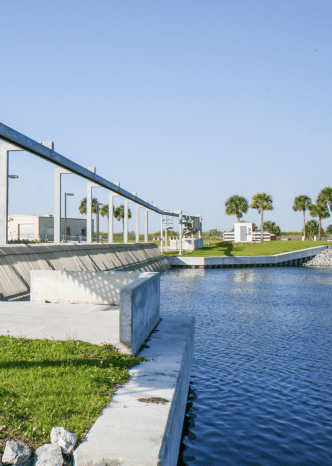
Community Engagement as Risk Management
Public engagement plays a critical role in managing entitlement, political, and schedule risk. Meaningful community involvement can reduce opposition, improve alignment with local priorities, and support smoother approval processes.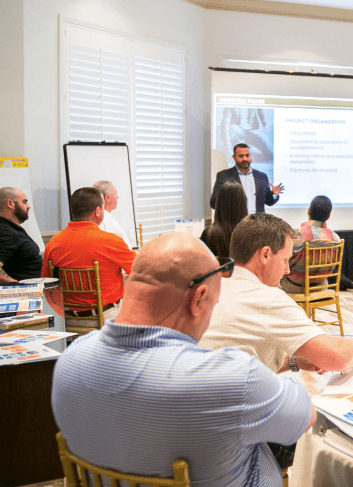
How WGI Helps Developers Unlock Value
WGI approaches SEDD as an integrated component of development strategy rather than a standalone environmental service. Our multidisciplinary teams work alongside developers from acquisition through redevelopment, translating environmental complexity into clear, actionable guidance. We help developers evaluate sites early in the deal cycle, structure acquisitions to preserve liability protections, and integrate environmental planning with entitlements, engineering, and infrastructure design. We guide clients through regulatory pathways with the goal of reducing uncertainty and accelerating schedules, while also planning for long-term stewardship that protects asset value and exit options. By aligning environmental due diligence with planning, engineering, and advisory expertise, WGI enables developers to pursue risky, complex sites with confidence. The result is clearer decision-making, stronger lender comfort, and the ability to unlock value in properties others hesitate to pursue.